
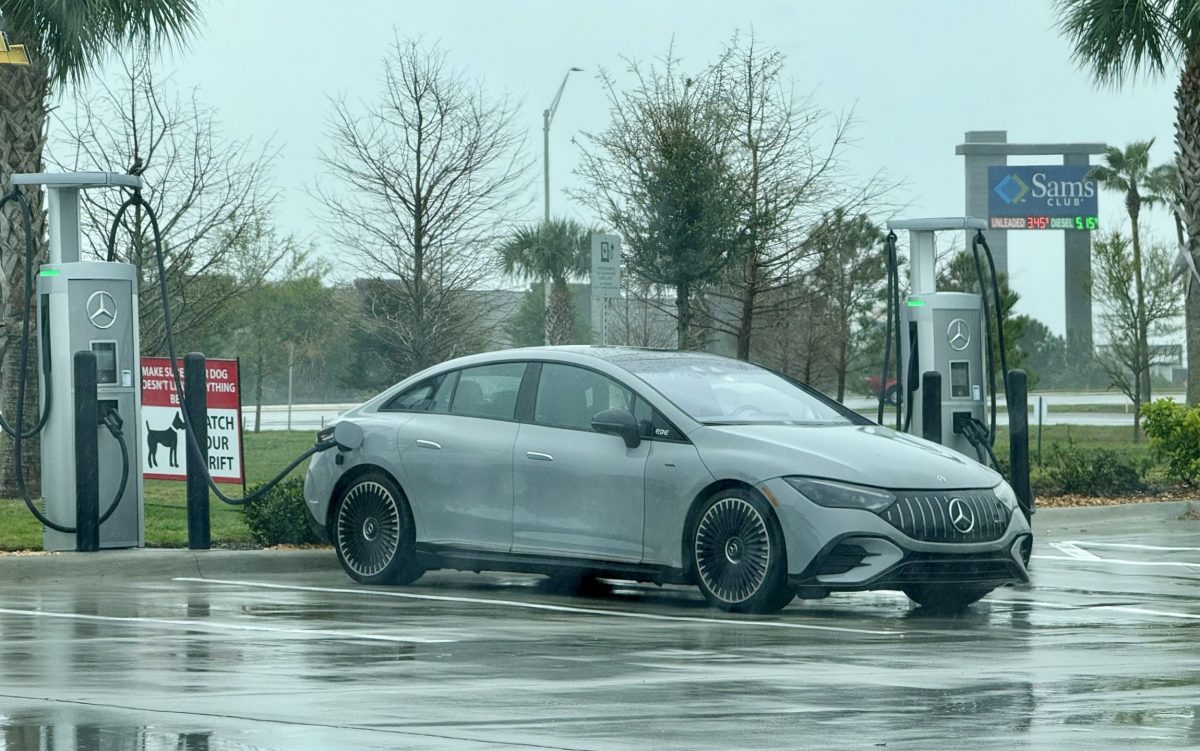
I was driving through the I-95 corridor in the south-east earlier this month, and I’ve really noticed the increased density of the Mercedes-Benz HPC charging network expansion. This charging network often goes unnoticed, but deserves more of your attention and dollars, in my opinion. I stopped at the Buc-ee’s in Daytona, Florida to find several non-Tesla EVs at the Supercharger, and only one EQE driver on the Mercedes HPC charging station. I think more drivers need to know about their charging options.
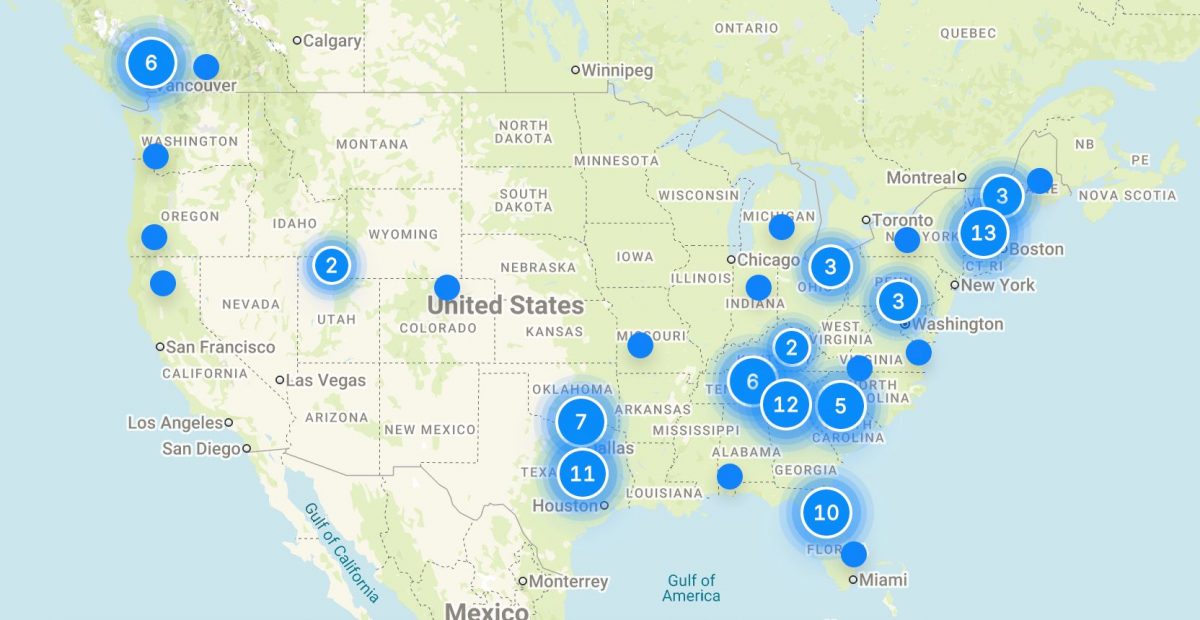
Mercedes is of course one of the automotive backers behind the Ionna charging network, but at the same time, they are building their own Mercedes branded high-powered charging network. Launched only in late-2023, they have been building out their charging hubs at an impressive pace. As of this writing, there are 300+ charging stalls at a few dozen locations across 11 states, and one Canadian province.
What differentiates premium EVs from more affordable models – is the battery charging speeds. It makes sense of course for Mercedes’ network to only offer high power charging at their sites. Their earliest locations were outfitted with 400 kW stalls provided by ChargePoint, but distinctly branded as Mercedes-Benz HPC. Recently, they have shifted to Alpitronic as their provider of choice, HYC400s popping up everywhere. Which is awesome, because those Alpis have proven to be very reliable and performant across several charging network operators.
In the future, we can expect deployment os Alpitronic HYC1000s with 600 kW output. Yes, please!
Their sites typically have 4-12 charging stalls, mostly with CCS1 cables. But newer locations are shifting some of that balance to NACS cables too. Pricing is usually in line with other charging options in the area. It was 53 cents per kWh in Daytona, FL, compared to 49 cents at the Supercharger. Payments are easy too. Unlike Tesla Superchargers, you can use your credit card to tap and pay for a charging session.
Their hardware is high-voltage capable (1,000v), so owners of high-voltage EVs will benefit from higher power charging compared to Superchargers. So next time you see one of Mercedes-Benz’s HPC charging stations, give it a shot. I think they’re doing a fantastic job at deliver consistent charging experience and fast expansion.
Considering buying a Tesla? Use our referral link to get 3 free months of FSD, and help support our content.