EVchargerReviews is supported by our readers. We may earn commissions from links on this page. Why trust us?
Best Home EV Chargers for Hyundai Ioniq 6
Updated July 7, 2026, by Michael Kim
Our Top Picks for the Ioniq 6
- ChargePoint Home Flex ($516.71)
- Tesla Wall Connector (Check Price)
- Emporia EV Charger ($479.00)
- FLO Home X3 (Check Price)
- ShockFlo G1 (See Price)
Prices updated: September 21, 2026 at 11:03PM (EST)
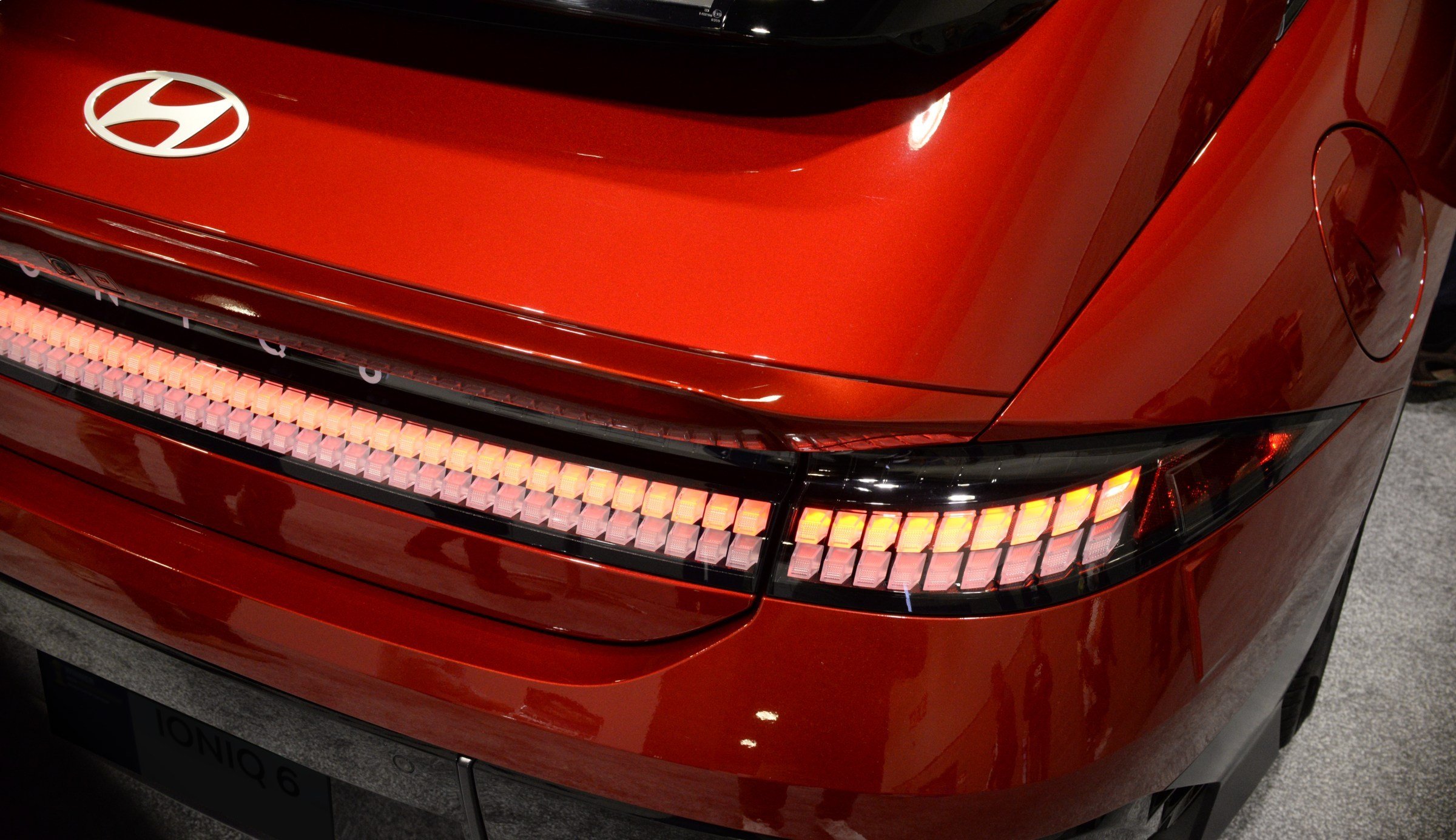
The Ioniq 6 is Hyundai’s all electric sedan based on the same e-GMP platform as the Ioniq 5 crossover. The 800-volt architecture allows this sedan to be efficient while driving, and recharge very rapidly at DC fast charging stations.
Standard range Ioniq 6 comes with a 53 kWh capacity battery, while the larger option is a 77 kWh pack. In North American markets, MY 2023-2025 Ioniq 6 used a J1772 / CCS combo connector. But for model year 2026+ this sedan is switching to the NACS connector for easier access to Tesla Superchargers. At home, the Ioniq 6 can accept up to 48 Amps (11 kW) from a Level 2 charging station. Below, we have selected our recommended home EV chargers for the Ioniq 6.
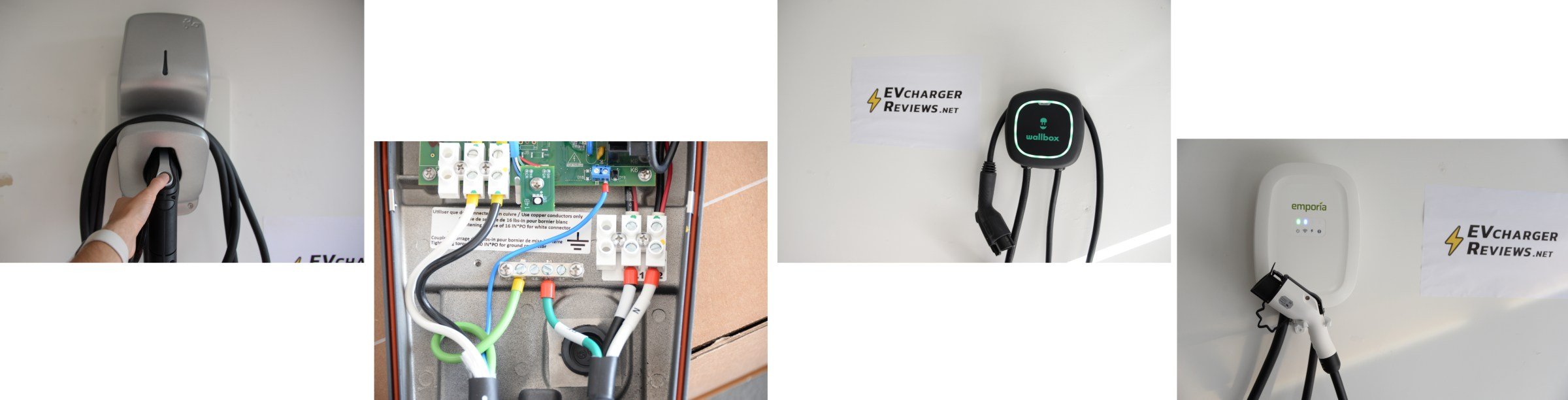
Why Trust US? We have hands-on testing experience with the most popular EV charging products.
IONIQ 6 Charging Fast Facts
| EV Charging Connector | 2023-2025 J1772 / CCS 2026+ NACS |
| Battery Capacity | 53 – 77 kWh |
| Level 2 Charging Power | 11 kW |
| Level 2 Max Amps | 48 A |
| Level 2 [20-80%] Charge Time | 4 – 5 Hours |
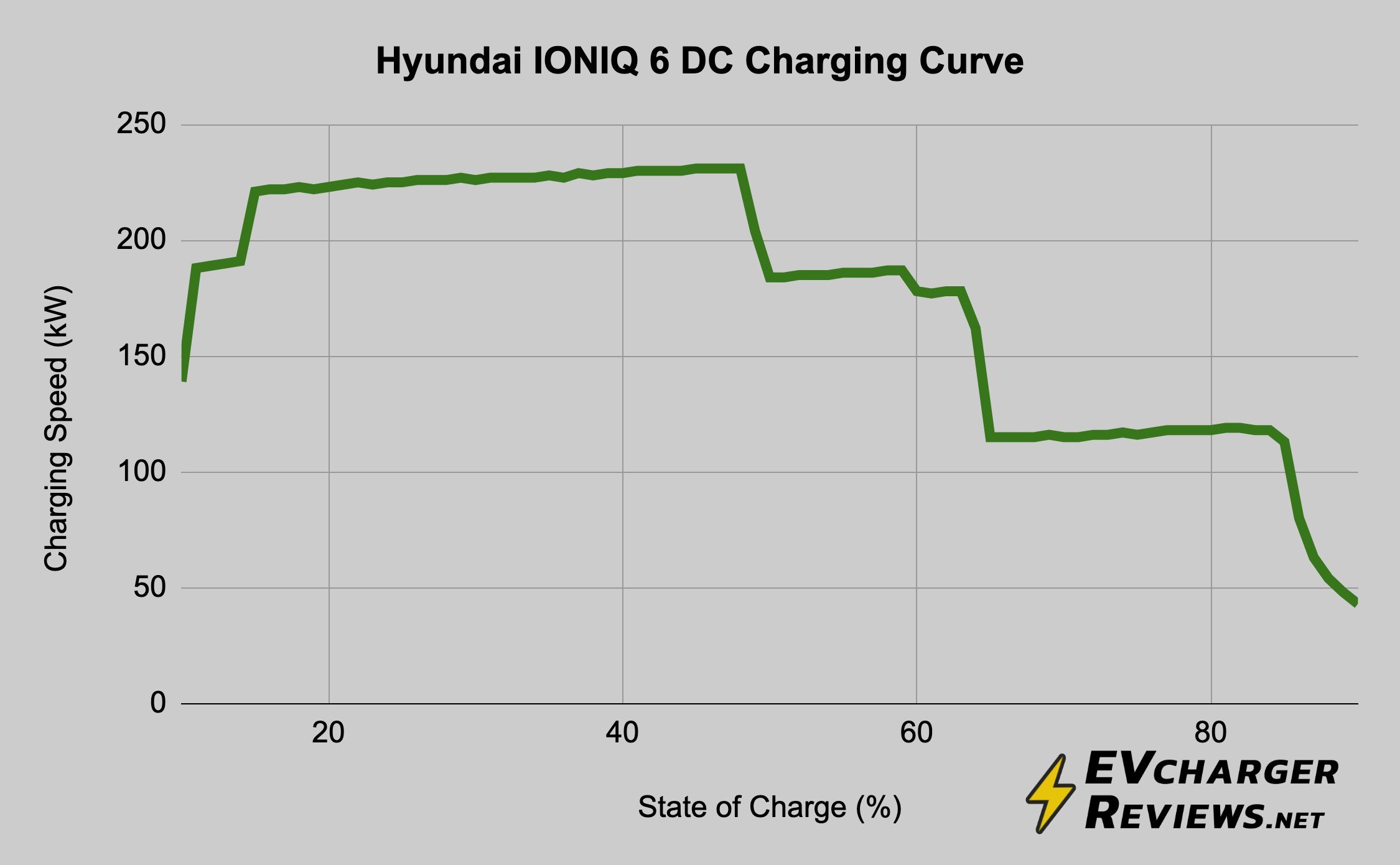
| Level 3 Peak Power | 230 kW |
Level 3 DC Charging Curve
ChargePoint Home Flex (50 Amp)
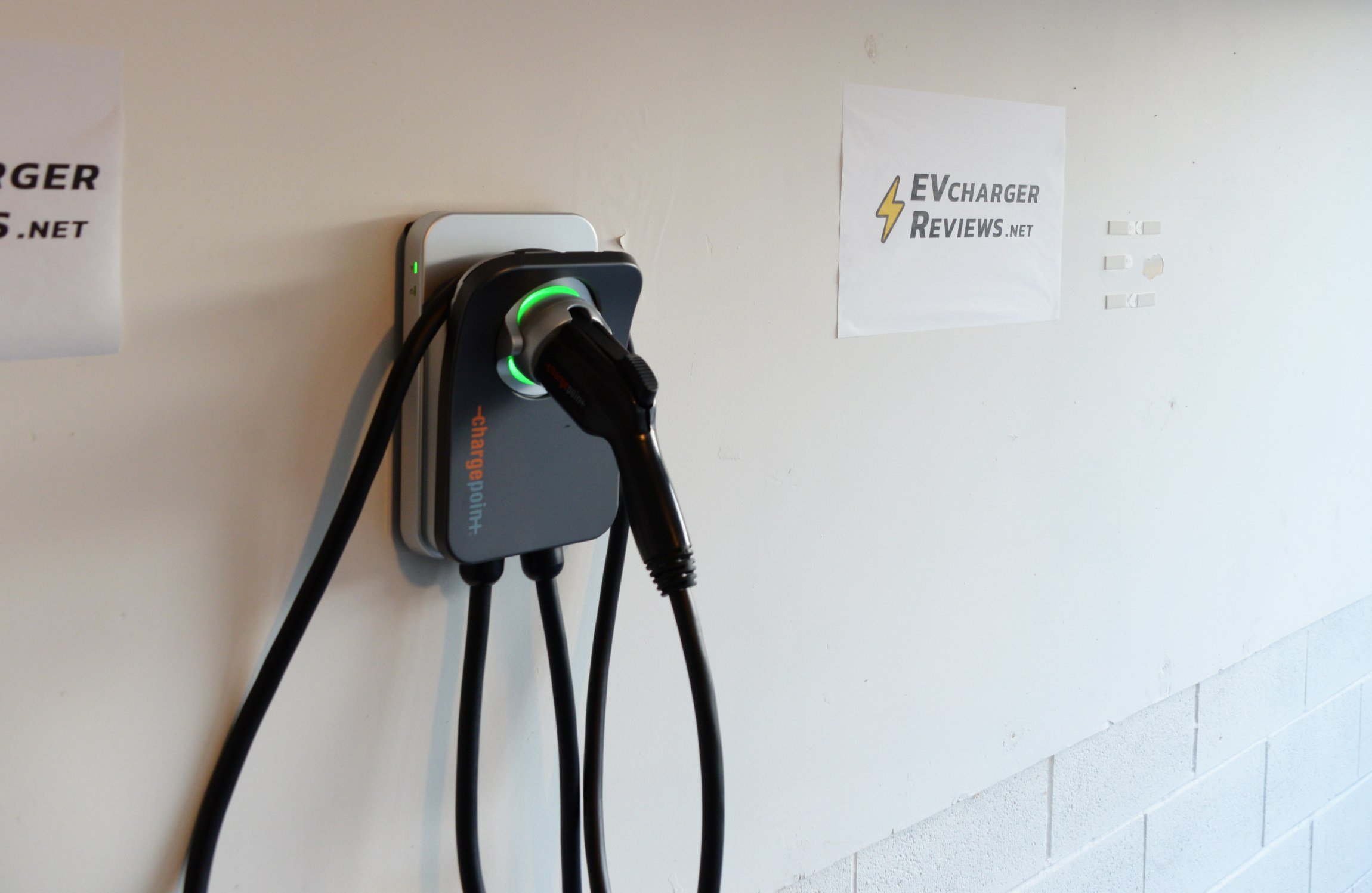
ChargePoint is best known for its public charging infrastructure, but they are no stranger to home EVSEs, they’ve been doing this for years. The Home Flex is another great product to consider because it can handle up to 50 amps in all conditions, thanks to a metal heatsink, and a cord that stays pliable in colder temperatures. We like the cord management system that allows the user to wrap the cord around the unit, and stow the J1772 connector in the swivelling holster.
The Home Flex is now available with a NACS connector too, which is perfect for Ioniq 6s from 2026 and onwards.
Specs
- Amperage: Up to 50 amps
- EV Connector: J1772 or NACS
- Home Connection: NEMA 14-50, 6-50, or hardwire
- Cord Length: 23 feet
- Weatherproofing: NEMA 3R
- Networking: Wi-Fi + BT
- App Control: Yes
- Warranty: 3 years
Pros
- High-quality cord material
- Many plug-in installation options
- Alexa/Google Home integration
- EnergyStar certification
Cons
- Only one Home Flex can be paired to an account
- The product is heavily dependent on the app
Tesla Universal Wall Connector (48 Amp)
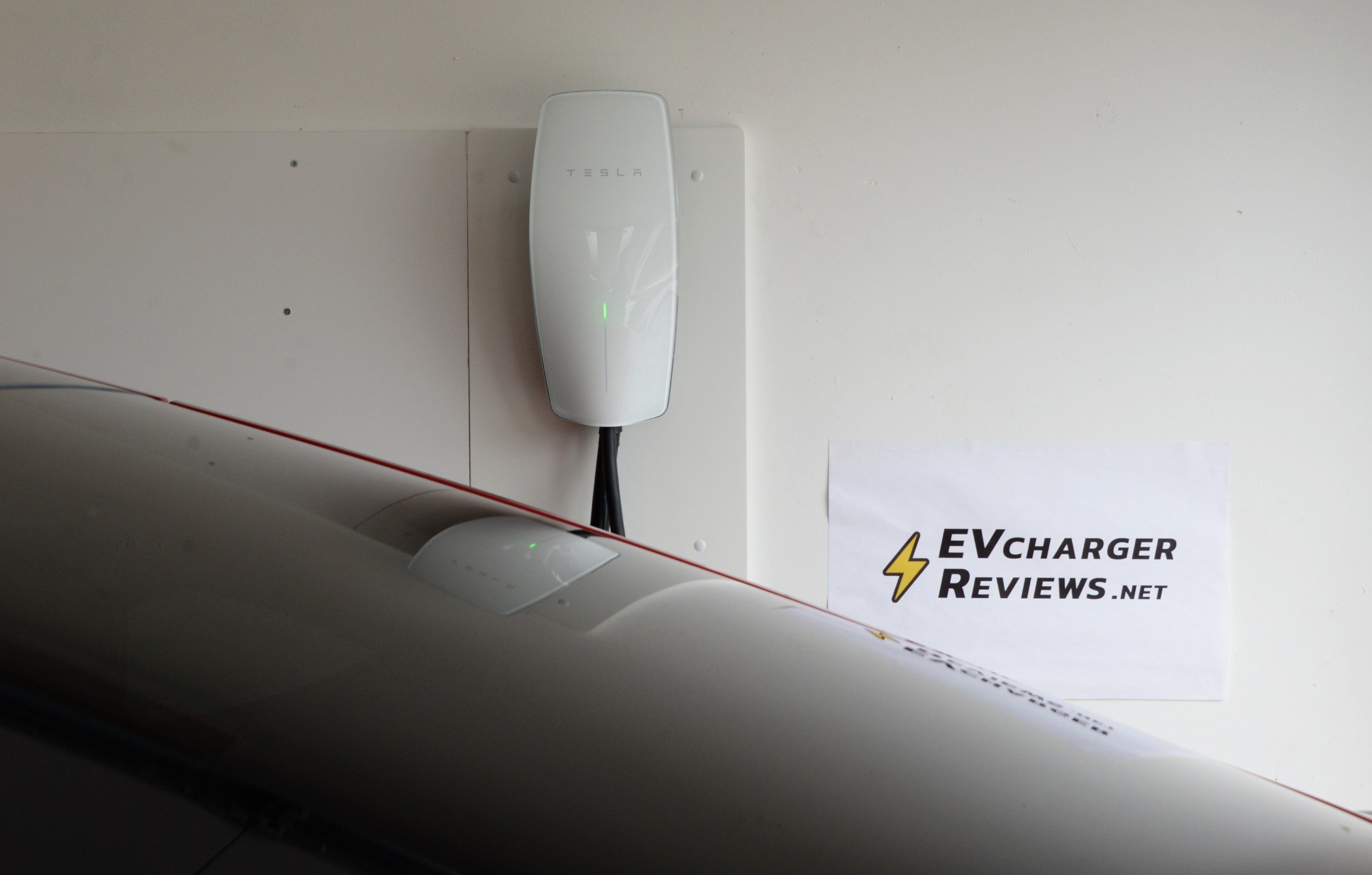
Tesla might sell more EV chargers than anyone because their cars are so popular. Their third generation Wall Connector product now comes in a Universal version that is compatible with both J1772 EVs (like the Ioniq 6) as well as NACS plus cars. With this charging station, you can charge any EV now and in the future.
The Universal Wall Connector can be configured and managed through the Tesla app and connects to your home Wi-Fi network. It’s got one of the best cords on the market, and we like Tesla’s approach to a side-mounted cord holster that gets the cord out of the way when not in use. This charging station can handle up to 48 amps but is configurable to lower modes. Our only reservation about the product is a NEMA 3R enclosure rating, so if it is installed outdoors, make sure it is covered from the elements.
Specs
- Amperage: Up to 48 amps
- EV Connector: NACS + J1772
- Home Connection: Hardwire
- Cord Length: 24 feet
- Cord Thickness: 15 mm
- Weatherproofing:
NEMA 3R - Networking: Wi-Fi
- App Control: Yes
- Warranty: 4 years
Pros
- Quality cord, easy to manage
- J1772 and NACS in connectors in one product
- Smart cord management
Cons
- Hardwire install only
- Plastic enclosure means only a NEMA 3R rating
Emporia Smart Level 2 EV Charger (48 Amp)
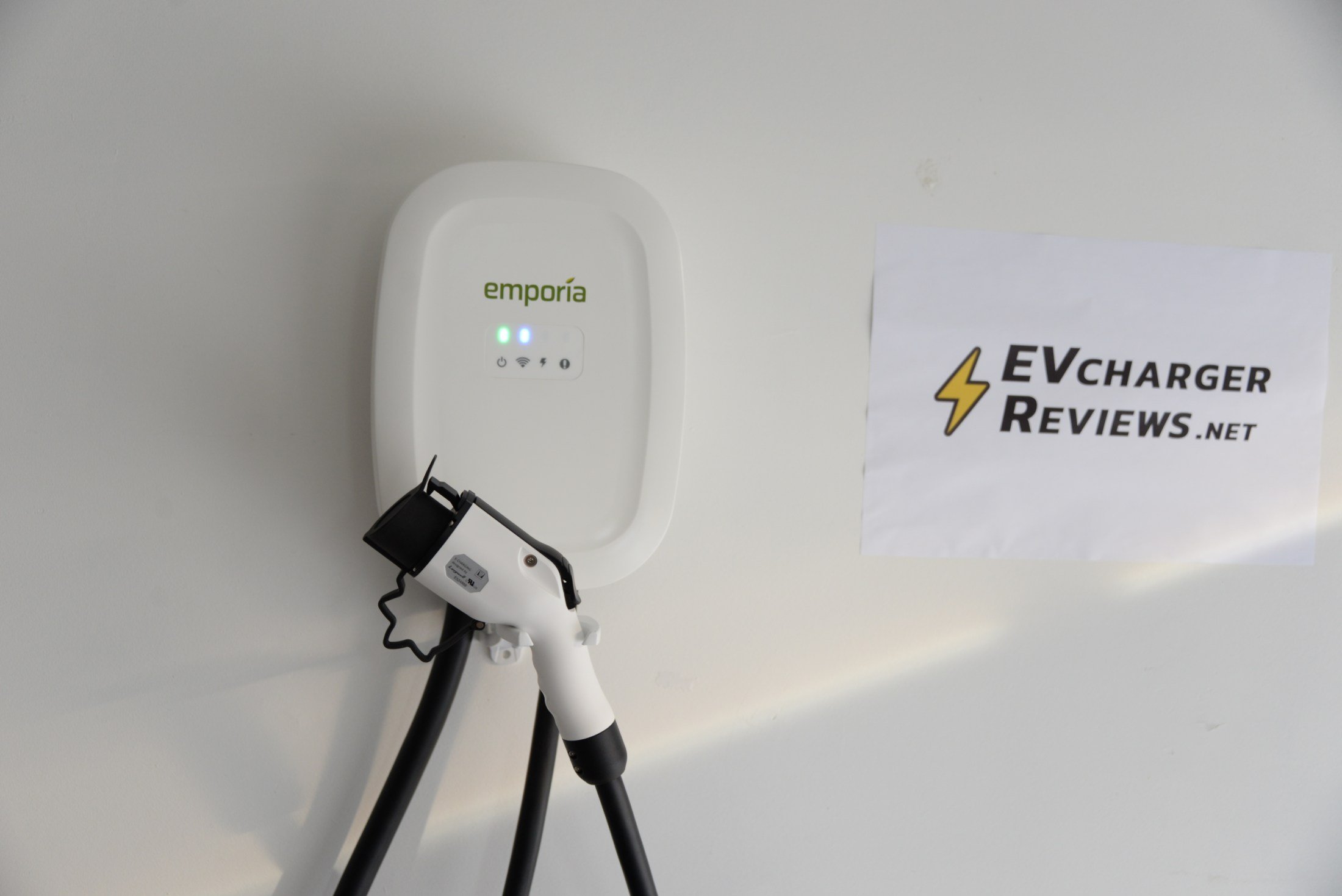
Emporia has one of the best budget-friendly 48-amp capable charging stations on the market. It also has the benefit of Emporia’s larger ecosystem of home energy products. So if you’re interested in building out a smart home with connected switches and appliances, the Emporia Charging station can be scheduled and managed from the same app.
The Emporia charging station can operate at 40 amps with a NEMA 14-50 outlet or can be hardwired (professionally) to operate at 48 amps. It was a solid performer in our tests, and we especially liked the metal cord holster and J1772 connector design.
Specs
- Amperage: Up to 48 amps
- EV Connector: J1772 or NACS
- Home Connection: NEMA 14-50 or hardwire
- Cord Length: 24 feet
- Weatherproofing:
NEMA 4 - Networking: Yes
- App Control: Yes
- Warranty: 3 years
Pros
- Lower cost than competitors
- Emporia app connectivity and scheduling
- High-quality metal charge plug holder
Cons
- The charge cord is shorter than the competition
- The charger enclosure box is made from plastic
FLO Home X3 (50 Amp)

The FLO Home X3 is a excellent successor to the ultra durable X5. FLO is based out of freezing Quebec, and the manage one of the most reliable public DC fast charging networks. They know how to build chargers for extreme outdoor conditions.
The X3 the entry level home charging station from their latest line of products. It has a pliable 25 foot long cord and a NEMA 4X rated unit enclosure, making it suitable for outdoor installation. In addition, this smart home charging station integrates will with FLO’s excellent public charging app. Available as outlet and hardwire options, and both J1772 and NACS connectors are offered.
Specs
- Amperage: Up to 50 amps
- EV Connector: J1772 or NACS
- Home Connection: Hardwire of NEMA 14-50
- Cord Length: 25 feet
- Cord Thickness: 17 mm
- Weatherproofing:
NEMA 4X - Networking: Wi-Fi
- App Control: Yes
- Warranty: 5 years
Pros
- Very durable for outdoors
- Excellent cord materials
- 5-year warranty
- Advanced scheduling features
- Built-in cord management
Cons
- X3 has a plastic enclosure
- The app is well done but does not track home charging costs.
ShockFlo G1 Portable (40 Amp)
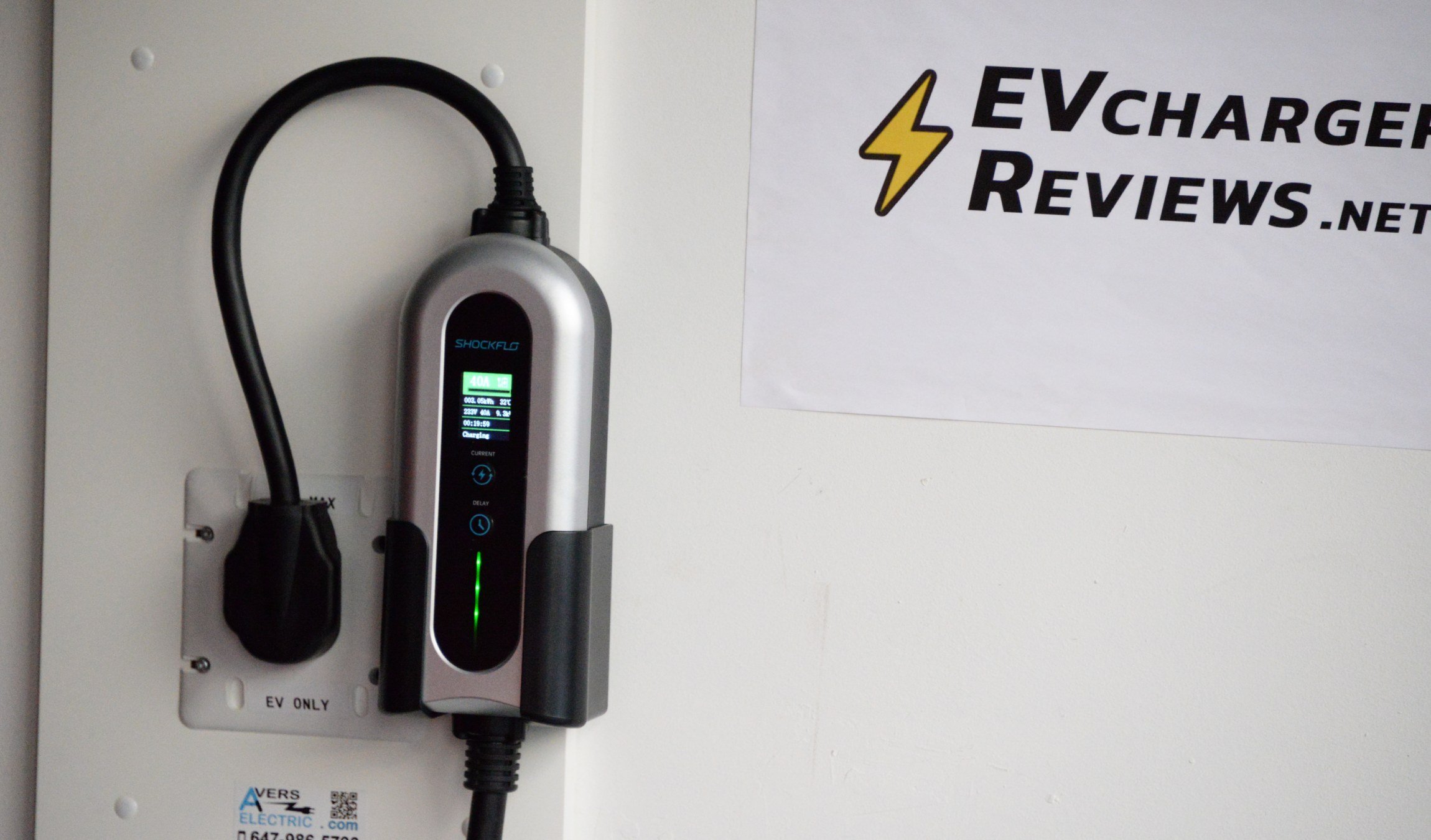
We prefer permanently installed home charging stations for high power and reliability. But if you need something you can occasionally take on the road? The G1 Portable EV charger from ShockFlo can deliver up to 40 amps from a NEMA 14-50 outlet and features an IP67 water resistance rating.
A built-in LCD screen shows real-time charging session stats about energy, power, voltage, and temperature. The G1 would be a good on-road companion for the Ioniq 6, and also includes a plastic wall mounting bracket for your home charging location (pictured).
Specs
- Amperage: Up to 40 amps
- EV Connector: J1772
- Home Connection: NEMA 14-50
- Cord Length: 20 feet
- Cord Thickness: 18.6 mm
- Weatherproofing:
IP67 - Networking: No
- App Control: No
- Warranty: 3 years
Pros
- Great power output at an affordable price
- More portable than wall-mounted chargers
- Always on display with charge stats
Cons
- Not suitable for outdoor operation in extreme climates
- It gets warm when charging at 40 amps but can be limited to lower output
Frequently Asked Questions about charging the Ioniq 6
Can you charge the Ioniq 6 at a Tesla Supercharger?
Yes, after March 25, 2025, Hyundai EVs gained access to Tesla Superchargers. With CCS cars, you will need a NACS-to-CCS adapter. Please note that not all locations are open to non-Teslas. Many old V2 Superchargers sites are still exclusive to Teslas due to technical limitations. Check the Tesla app for locations in your area.
Also, keep in mind that the current generation of Superchargers is only capable of 400 volts, so 800 volt cars like the Ioniq 6 will charge slower than on 800-volt capable sites from Electrify America.
How far can the Ioniq 6 drive on one charge?
EPA-rated range is 240 miles for the RWD small battery variant, and 361 for the RWD extended battery pack version. AWD trims fall somewhere in between.
How much does it cost to charge an Ioniq 6 at home?
If we assume an off-peak electricity rate of 14 cents per kWh, then it would cost $11.34 to fully charge an Ioniq 6 at home with 95% efficiency.
How long does the Ioniq 6 take to charge at home?
It will take between 7 and 9 hours to fully recharge the Ioniq 5 at home with Level 2 charging. It will take between 4 and 5 hours to charge between 20% and 80% at 48 amps.
Where is the charging port located on the Hyundai Ioniq 6?
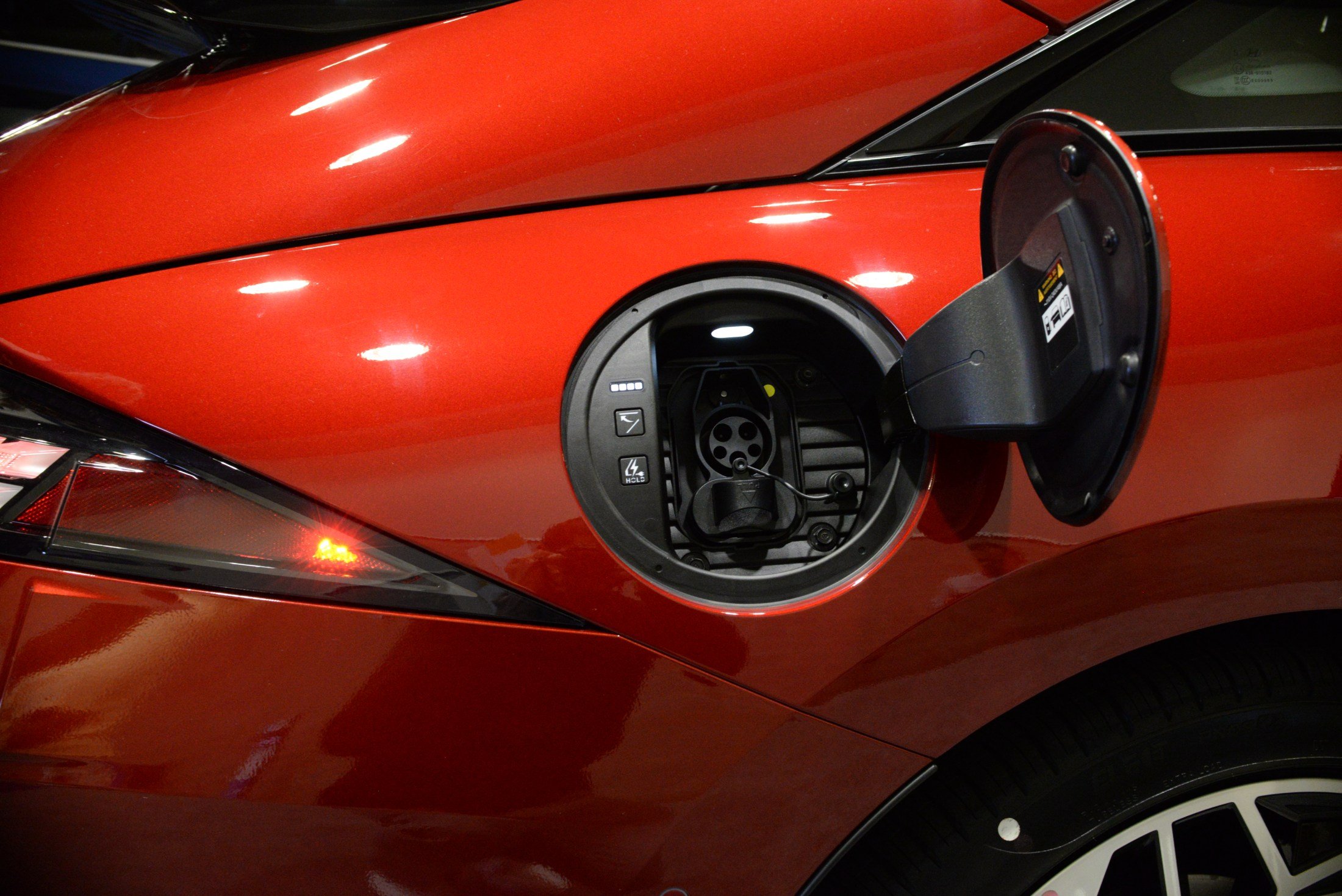
The charging port is located on the right side rear quarter panel, near the tail lights and wheel.
Does the Ioniq 6 have a battery heater?
A battery heater is standard equipment on cars with the larger 77 kWh battery, but it is not available on the standard range 53 kWh battery cars. Battery heating (preconditioning) helps the vehicle reach the peak charging speed on Level 3 fast chargers. In colder climates, charging without preconditioning the battery will be slower and take longer.
Why trust EVchargerReviews.net? The products we recommend are acquired and tested in our garage lab prior to making the cut.