EVchargerReviews is supported by our readers. We may earn commissions from links on this page. Why trust us?
Tesla Model Y Home Charging Guide
Updated September 9, 2026, by Michael Kim
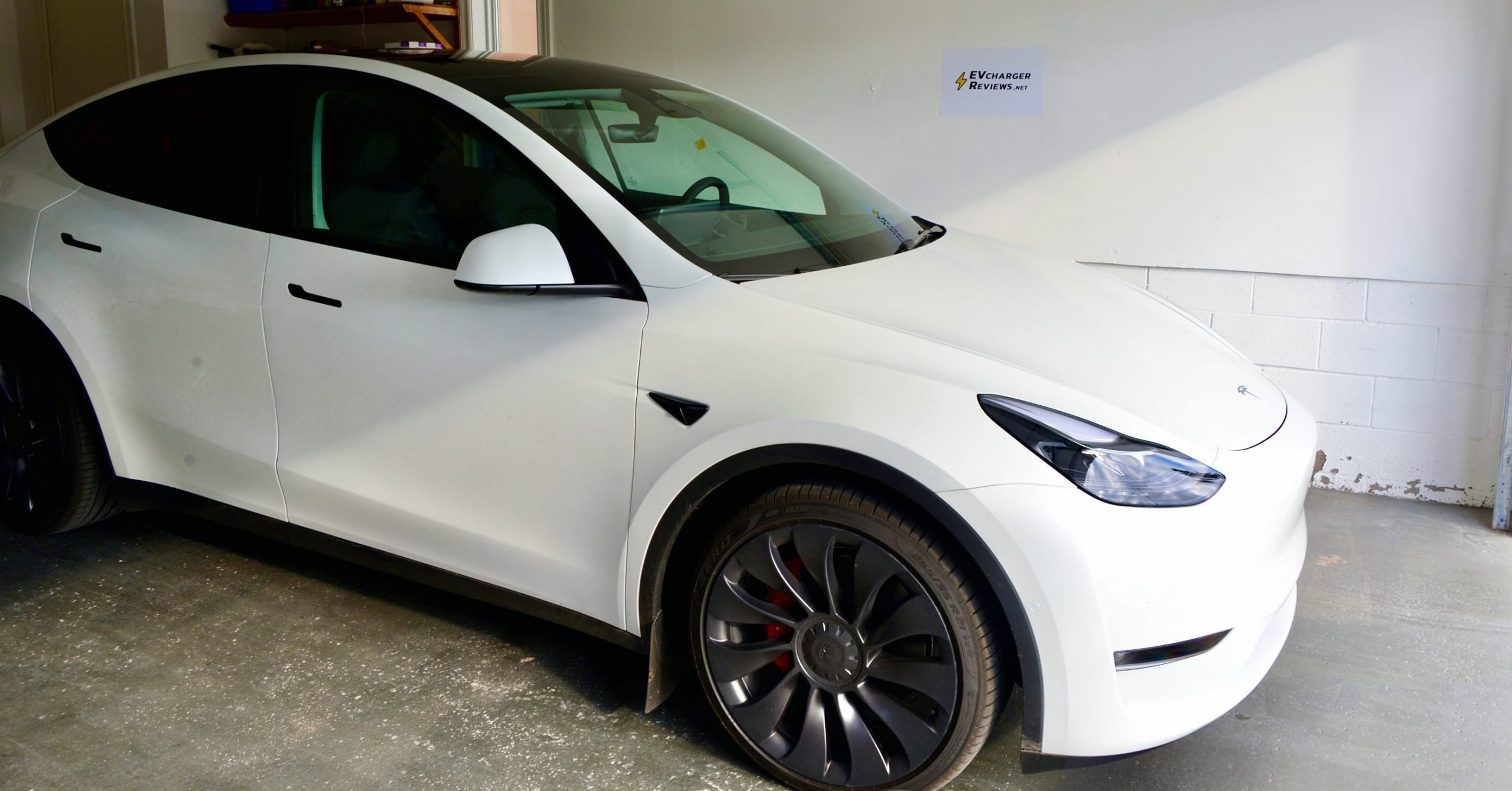
The Tesla Model Y is the best-selling EV in the world. This popular crossover SUV from Tesla ticks all the right boxes in performance, efficiency, space, and driving dynamics.
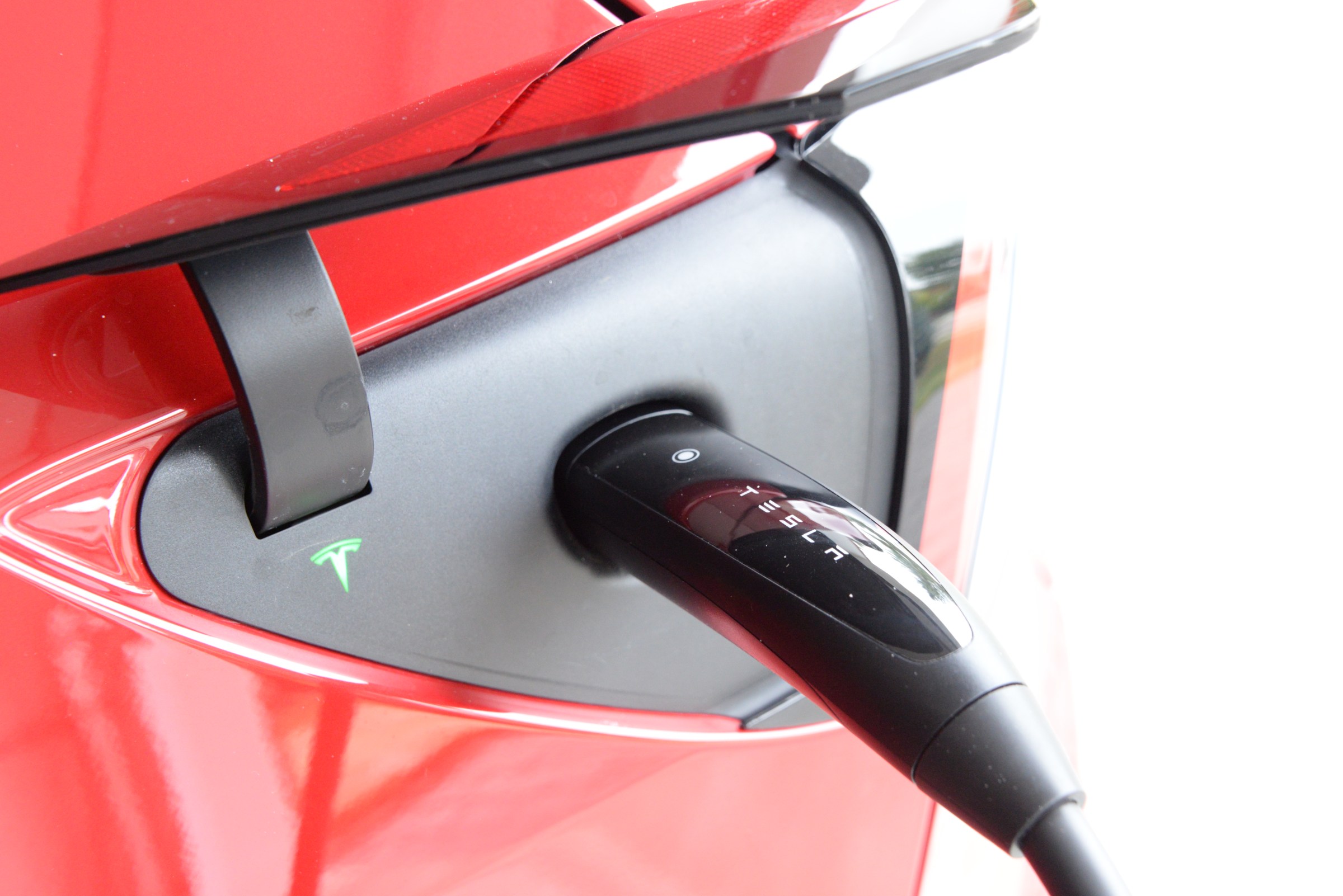
Both the original 2020-2025 Model Y and the refreshed “Juniper” 2026+ Model Y are capable of charging at 48 amps (11 kW) at home through the integrated NACS port in the driver-side tail light. Battery capacity ranges from 60 to 84 kWh depending on trim and year.
Why trust us? We have hands-on testing experience with the most popular EV charging products.
Our Top Picks for the Model Y
- Tesla Wall Connector ($885.00)
- ChargePoint Home Flex ($559.37)
- EVIQO EV Charger (
$510.00$429.99) - Autel EV Charger ($569.00)
- Emporia EV Charger (Check Price)
Prices updated: September 18, 2026 at 11:01AM (EST)
Tesla Model Y Charging Fast Facts
| EV Charging Connector | Tesla / NACS |
| Battery Capacity | 60 – 84 kWh |
| Level 2 Charging Power | 11 kW |
| Level 2 Max Amps | 48 A |
| Level 2 [20-80%] Charge Time | 4 – 5 Hours |
| Level 3 Peak Power | 250 kW |
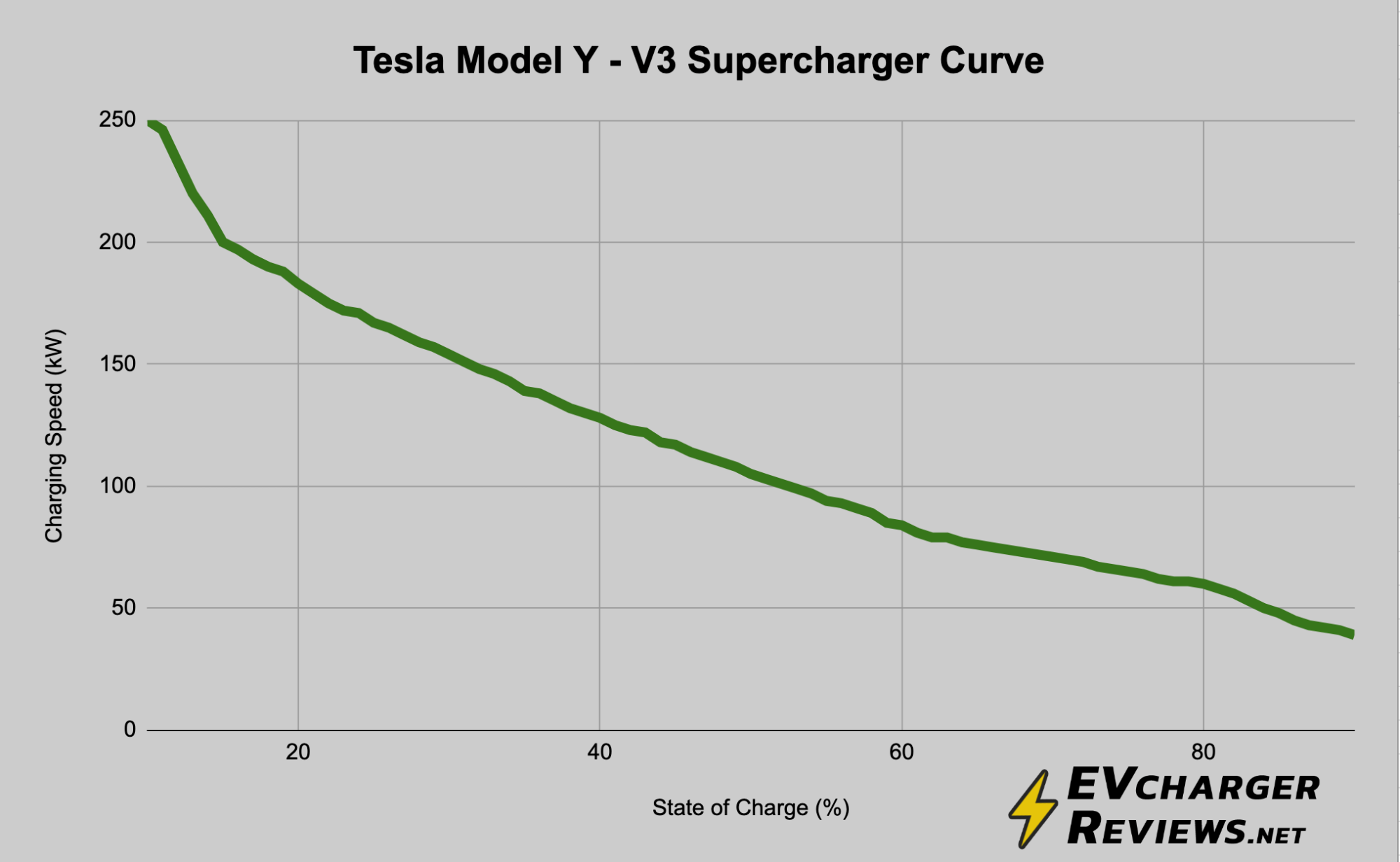
Level 3 Supercharging Curve
Tesla Wall Connector Gen 3 (48 Amp)
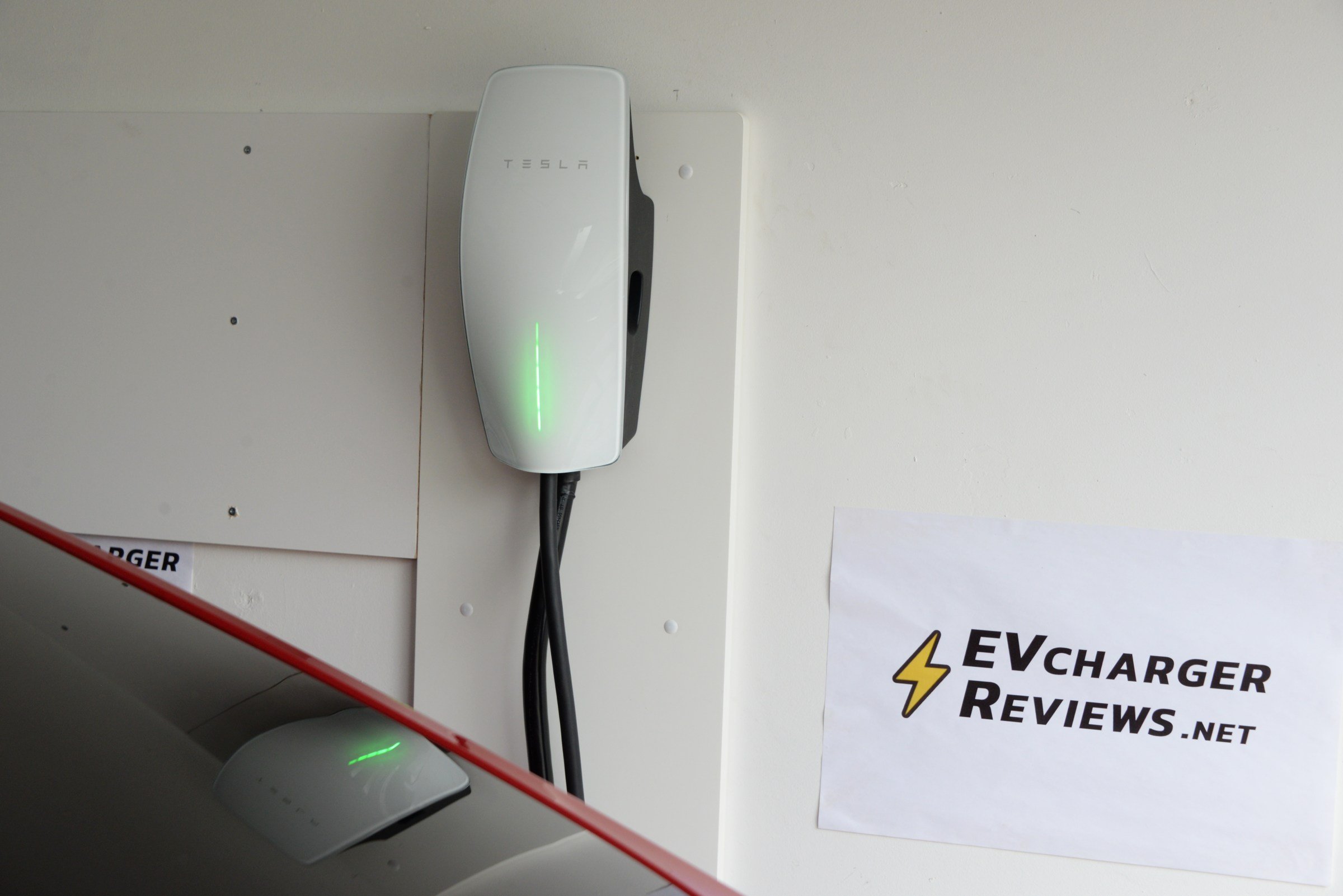
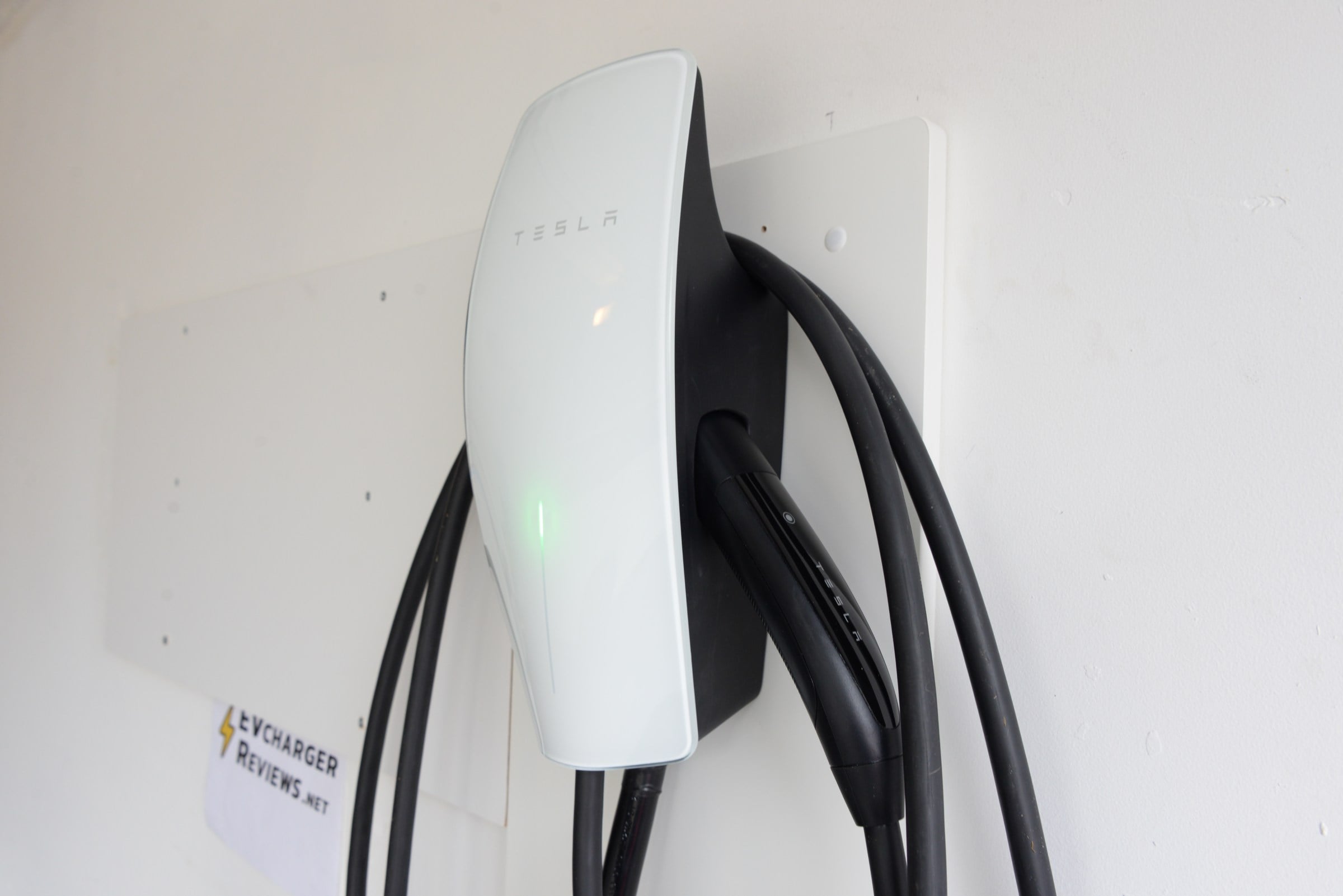
The most obvious choice for Model Y charging at home is Tesla’s own Wall Connector charging station. The latest 3rd generation home charger is Wi-Fi connected and supports up to 11.5 kW charging speeds, that is 44 miles of range added to the Model Y every hour. (60 amp circuit breaker is required to get the whole 11.5 kW)
The Tesla Wall Connector seamlessly integrates with the Tesla app and ecosystem. (Like the ability to open the Model Y’s charge port with a button on the charger handle) The Wall Connector allows the user to restrict charging to only Teslas, or even specific VIN Teslas. Also, more than one Wall Connector can be networked to enable ‘Power Sharing’ to avoid overloading the main electrical panel.
Why Consider Third-Party Home Chargers?
The Tesla Wall Connector is the best choice for most Model Y owners. However, third-party products may offer interesting features. For example; the Wall Connector must be professionally hardwired, but many third-party chargers come with a plug for NEMA 14-50 outlets.
Specs
- Amperage: Up to 48 amps
- EV Connector: NACS + J1772
- Home Connection: Hardwire
- Cord Length: 24 feet
- Cord Thickness: 15 mm
- Weatherproofing:
NEMA 3R - Networking: Wi-Fi
- App Control: Yes
- Warranty: 4 years
Pros
- Quality cord, easy to manage
- J1772 and NACS in connectors in one product
- Smart cord management
Cons
- Hardwire install only
- Plastic enclosure means only a NEMA 3R rating
ChargePoint Home Flex (NACS, 50 Amp)
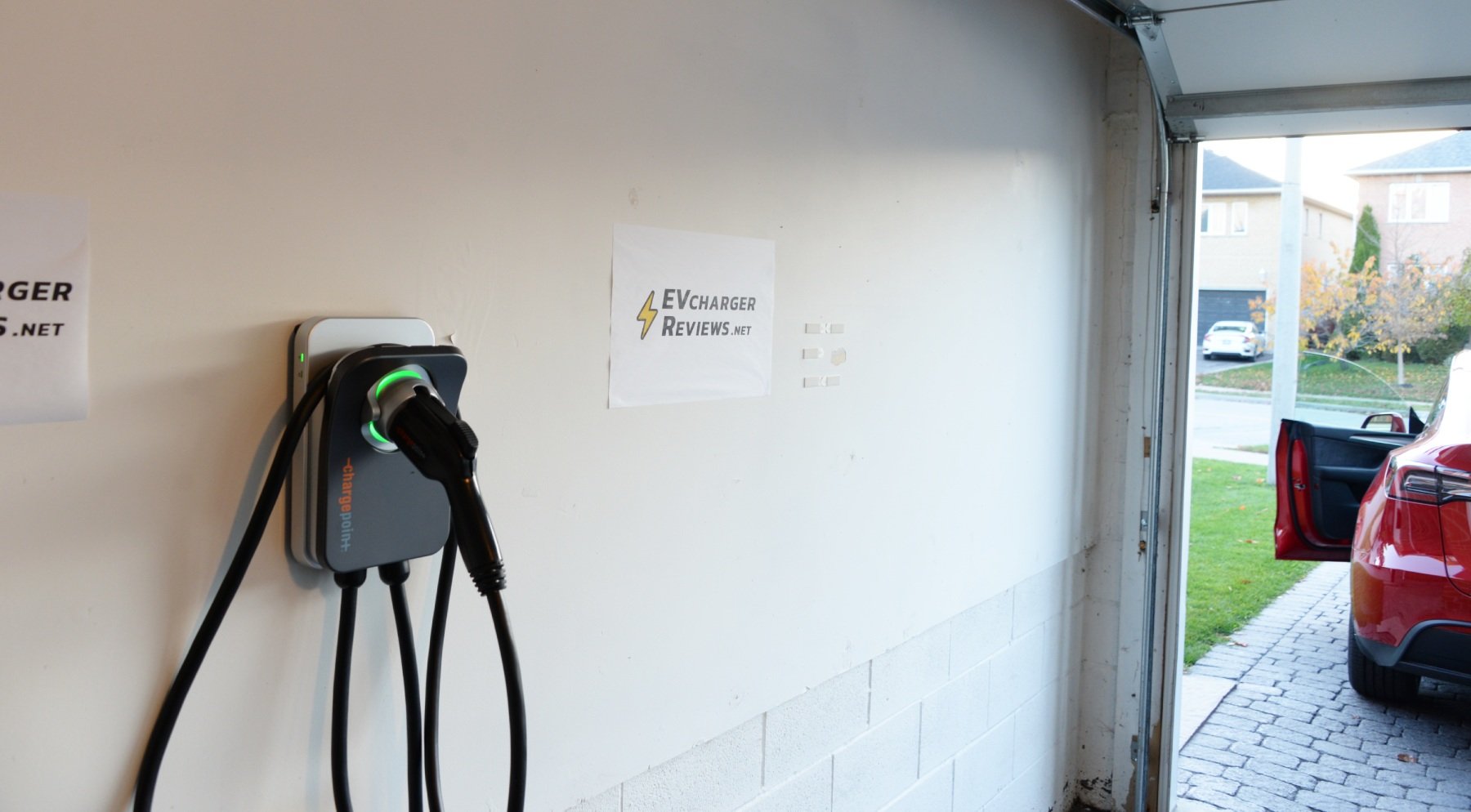
ChargePoint is one of the first non-Tesla EVSE manufacturers to offer a native NACS (Tesla) connector. You can charge Tesla cars without additional adapters with the Home Flex.
At the higher end of home chargers, the Home Flex can deliver up to 50 amps to your EV, and the Model Y maxes out at 48 amps on AC. The companion ChargePoint app allows drivers to schedule charging sessions when electricity is the cheapest.
Compatible with most EVs, the ChargePoint Home Flex is our top choice for most EVs with larger-capacity batteries like the Model Y. The ChargePoint Home Flex is a top seller on Amazon, and for good reason.
Specs
- Amperage: Up to 50 amps
- EV Connector: J1772 or NACS
- Home Connection: NEMA 14-50, 6-50, or hardwire
- Cord Length: 23 feet
- Weatherproofing: NEMA 3R
- Networking: Wi-Fi + BT
- App Control: Yes
- Warranty: 3 years
Pros
- High-quality cord material
- Many plug-in installation options
- Alexa/Google Home integration
- EnergyStar certification
Cons
- Only one Home Flex can be paired to an account
- The product is heavily dependent on the app
EVIQO Level 2 EV Charger (NACS, 48 Amp)
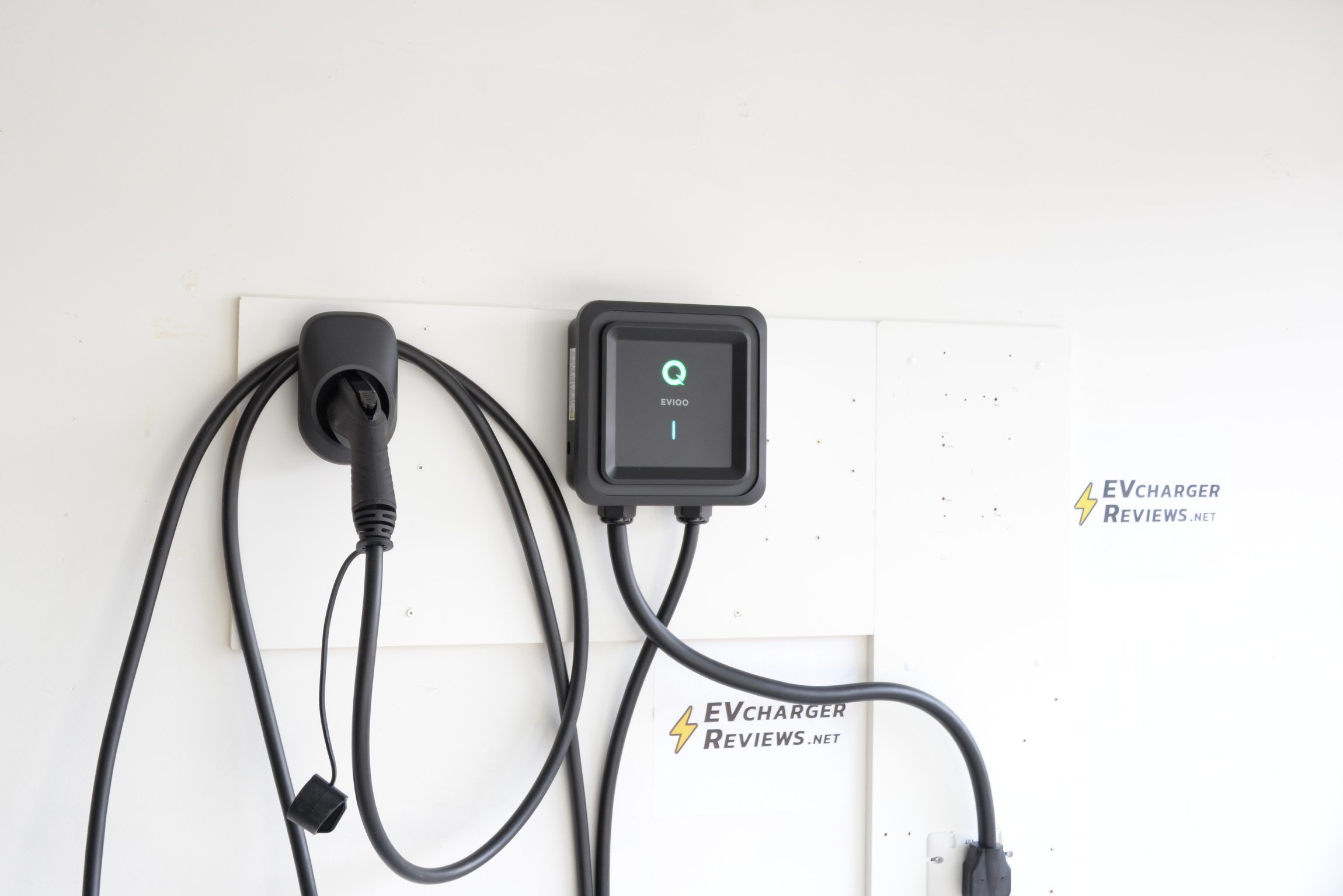
If you’re looking to spend around ~$400 for a fully featured home charging station, the EVIQO product is hard to fault. This US-based startup surveyed over 1000 EV owners to understand user needs before developing this impressive product.
Long cords, quality connectors, and highly polished software make the EVIQO EV charger a good choice for users who want to control their charging sessions and understand their charging expenses. One of only a few downsides is that the cord pliability in cold ambient temperatures is less than ideal. Update: EVIQO now comes with NACS connectors too!
Specs
- Amperage: Up to 48 amps
- EV Connector: J1772 or NACS
- Home Connection: NEMA 14-50 or hardwire
- Cord Length: 25 feet
- Cord Thickness: 18.5 mm
- Cord Gauge: AWG 9
- Weatherproofing:
NEMA 4 - Networking: Wi-Fi + BT
- App Control: Yes
- Warranty: 2 years
Pros
- Long input and output cables
- Great app with scheduling and cost reporting
- Metal J1772 clasp and release tab
Cons
- The cord is durable but the thickness can make it more difficult to handle
- The J1772 holster makes the cord stick out from the wall
Autel Smart EV Charger (NACS, 50 Amp)
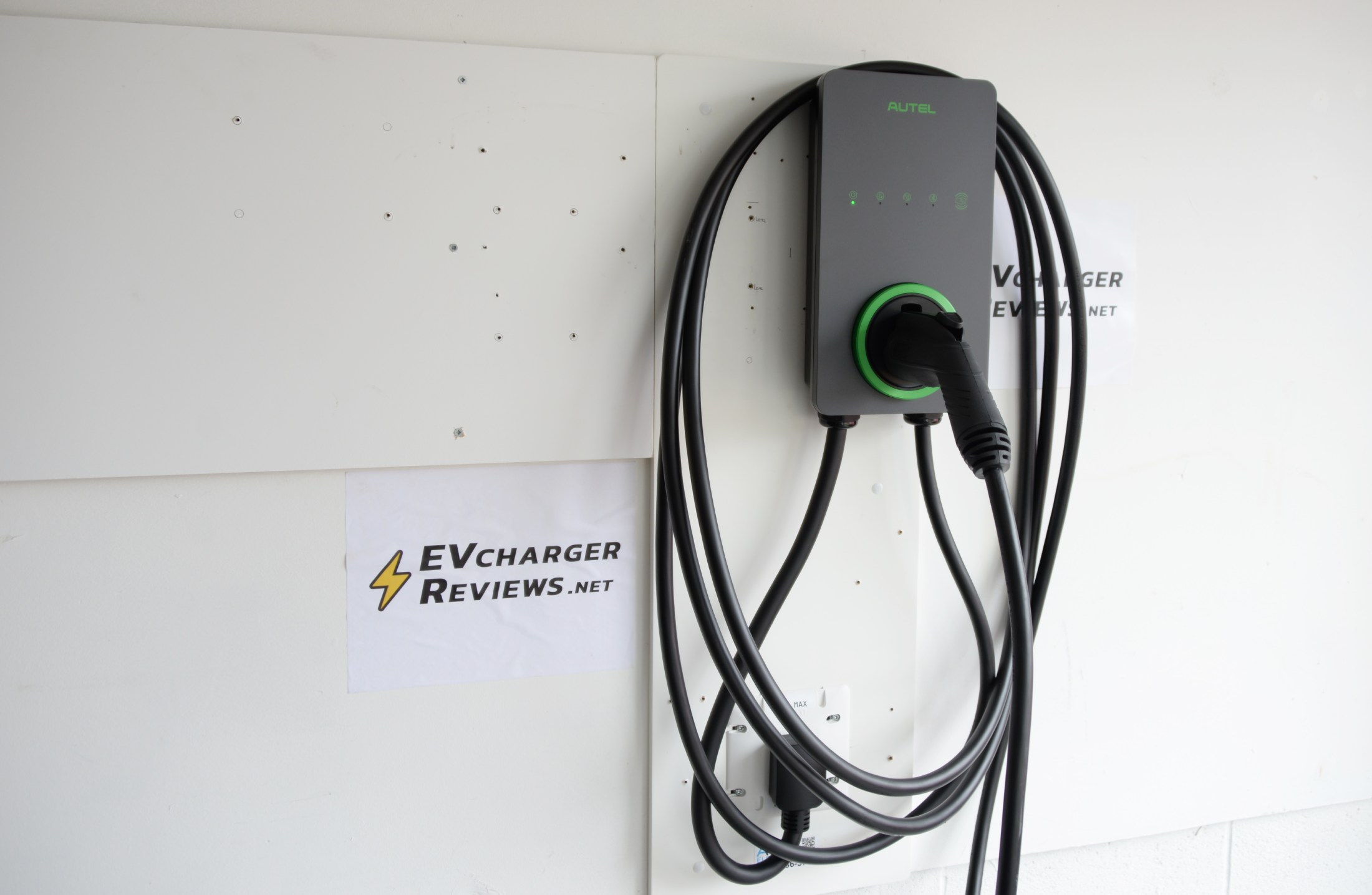
Autel has no shortage of EV charging products on the market, and their latest products are more refined than ever. We appreciate the quality of their app with tons charging metrics such as CO2 savings, and charging cost estimator.
Hardware is solid too; their charging cords and connectors are high quality and operate well in all conditions. The NACS version of this product features a very high quality connector, similar to the one used on the official Tesla Wall Connector.
Specs
- Amperage: Up to 50 Amps
- EV Connector: J1772 or NACS
- Home Connection: NEMA 14-50, or hardwire
- Cord Length: 25 feet
- Input Cord: 31 inch
- Cord Thickness: 17.3 mm
- Cord Gauge: AWG 10
- Weatherproofing:
NEMA 4 - Networking: Wi-Fi + BT
- App Control: Yes
- Warranty: 3 years
Pros
- Great Autel app with lots of detailed info
- 3-year warranty
- Long cables
- RFID reader
Cons
- Cable can get hard in cold weather
- The holster design makes the cable stick out
Emporia Level 2 EV Charger (NACS, 48 Amp)
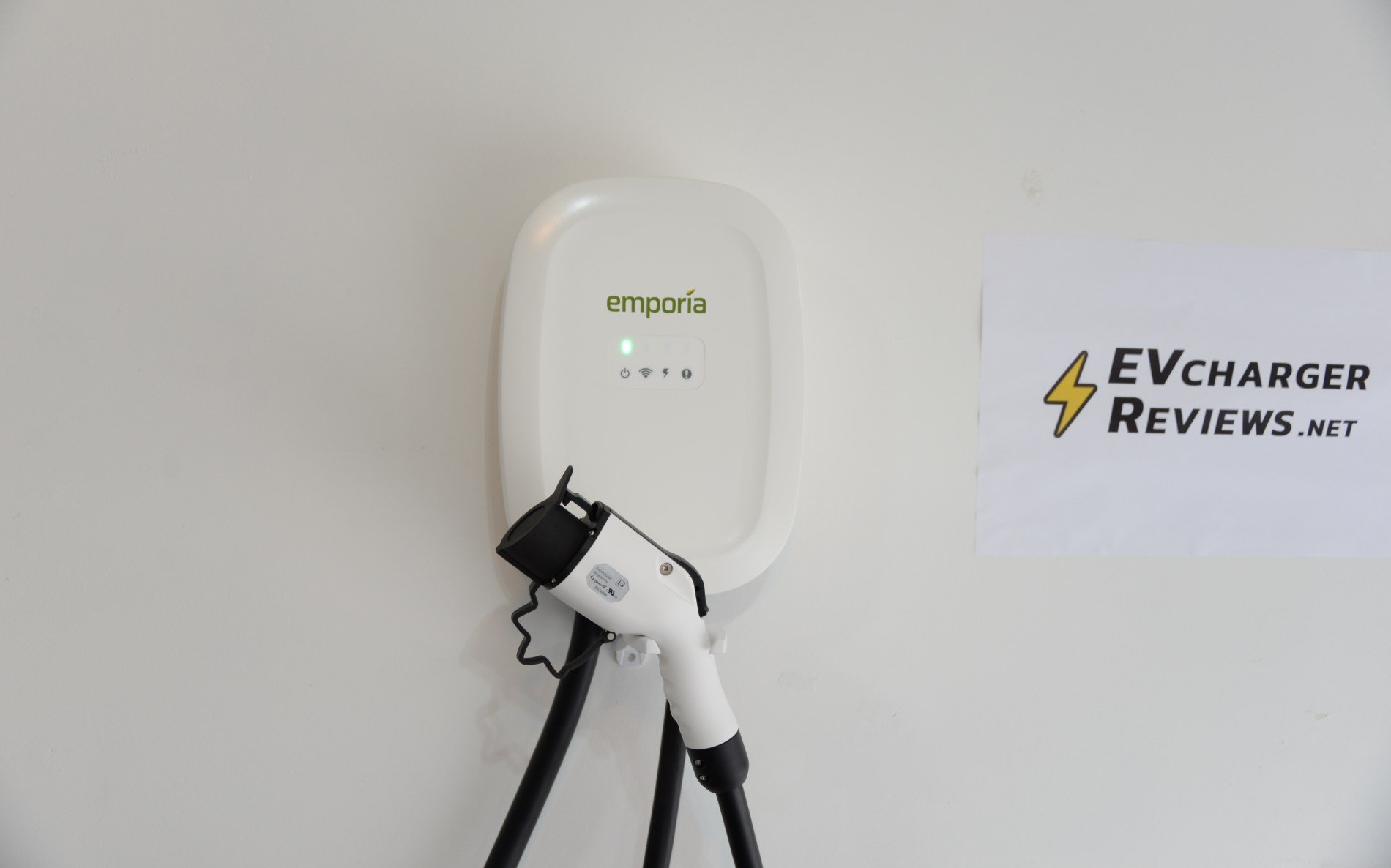
If you’re looking to get into smart home automation with programmable switches and devices, the Emporia EV charger can be a good companion product. The Emporia app can manage their EV charging station as well as all of their other home energy products.
We really liked the high power output (48 amps hardwired, 40 amps over NEMA 14-50), and the highly durable single-piece metal charge cord holder. Most competing brands include a cheap plastic cord holder in the box. Installation and app configuration were relatively easy as well.
Specs
- Amperage: Up to 48 amps
- EV Connector: J1772 or NACS
- Home Connection: NEMA 14-50 or hardwire
- Cord Length: 24 feet
- Weatherproofing:
NEMA 4 - Networking: Yes
- App Control: Yes
- Warranty: 3 years
Pros
- Lower cost than competitors
- Emporia app connectivity and scheduling
- High-quality metal charge plug holder
Cons
- The charge cord is shorter than the competition
- The charger enclosure box is made from plastic
Compare Home EV Chargers for Tesla Model Y
| Brand | Price Today | Max Amps | Input Connection |
| Tesla | $885.00 | 48 | Hardwired only |
| ChargePoint | $559.37 | 50 | Hardwire or NEMA 14-50 |
| EVIQO | 48 | Hardwire or NEMA 14-50 | |
| Autel | $569.00 | 48 | Hardwire or NEMA 14-50 |
| Emporia | Check Price | 48 | Hardwire or NEMA 14-50 |
We considered over 20 products from our hands-on reviews while making these recommendations. You can view all of our long term tests here.
How We Tested
After testing dozens of Level 2 charging units, we narrowed it down to six products for your consideration. Our test bench has a NEMA 14-50 outlet for quick charger swapping, but hardwired units like the Tesla Wall Connector were adapted to work with a plug using a spare NEMA 14-50 cord. (This is not recommended for permanent installations) Each product listed above was tested by us for at least two weeks.
More on Amperage and Model Y Charging Speeds
The Tesla Model Y can accept up to 48 amps of current at 240 volts on level 2 home charging. When you multiply those two figures together you get 11,520 watts, or 11.5 kilowatts. (kW) This should be fast enough to fully charge a 75 kWh battery in about 7 to 8 hours from zero to full.
There are some caveats to these maximum speeds. When using a “plug-in” style charger with a NEMA 14-50 or NEMA 6-50 plug, the maximum power you can draw from the wall is 40 amps. A hardwired installation of a capable home wall charger is required to pull the full 48 amps.
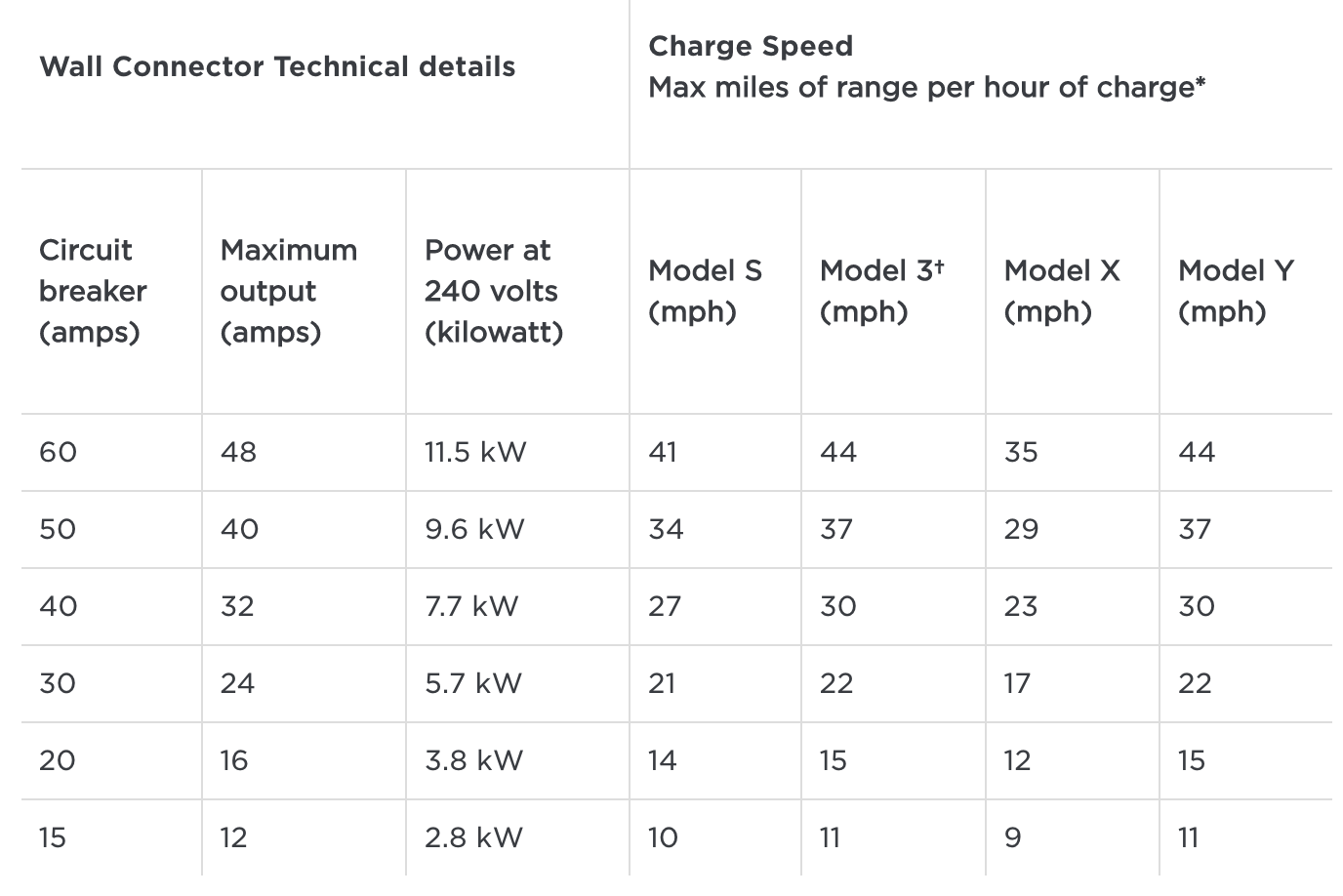
In addition, your home needs a powerful enough circuit breaker to supply the EV charger’s needs. As a hard rule, an appliance should only draw a consistent 80% of the circuit breaker’s capacity. Therefore a 50 amp circuit breaker is required for charging at a steady 40 amps, and at least a 60 amp circuit breaker is required to charge at 48 amps. However, even if your household wiring is not up to the task, almost all EV chargers can be configured with a lower limit.
Here is a helpful table from Tesla with Level 2 charging speeds, circuit breaker requirements, as well as expected ranger added per hour.
Frequently Asked Questions about charging the Tesla Model Y
We’ve owned our Model Y Dual Motor Long Range for 4 years, and we’re averaging about 250 Wh/mi around town and 300 Wh/mi on the highway. It is the most efficient EV in the segment. Wheel & tire specification will affect consumption and range considerably. The difference in total range between the standard aero 19 inch wheels and the 20 inch packages can be as much as 30 miles. If I had to buy all over again, I’d select the smaller wheels instead of the 20s.
In North America, the Long Range (now names “Premium”) variants come with a similar 78 kWh pack as before. The range increase comes courtesy of efficient improvements. But the new Performance trim does in fact come with a large 84 kWh battery pack thanks to higher energy density cells.
New Tesla cars purchased after April 17, 2022 will not include any charging hardware, but the buyer will be given the option to add a Mobile Connector or home Wall Connector. You can also explore some third-party home charging recommendations from us at www.evchargerreviews.net.
Reservations made after April 17, 2022 will not include a free Mobile Connector for Level 1 and Level 2 charging. It must be purchased separately, or users can opt to upgrade and buy a dedicated home charging station like the ones above.
Tesla recommends setting a charging limit of 80% for day to day charging, and only going above that threshold for long trips when you really need the full range. The battery chemistry inside the Model Y battery may degrade faster if it spends a lot of time near 100% or 0% state of charge. The software on the charging screen makes it easy for the user to set up a charge limit.
There was a brief period of time, when Tesla sold Model Ys in North America with LFP battery chemistry. Those cars may be charged to 100% daily without doing long term harm. Check your charging menu in the car to see if there are Daily and Trip recommended charging levels. 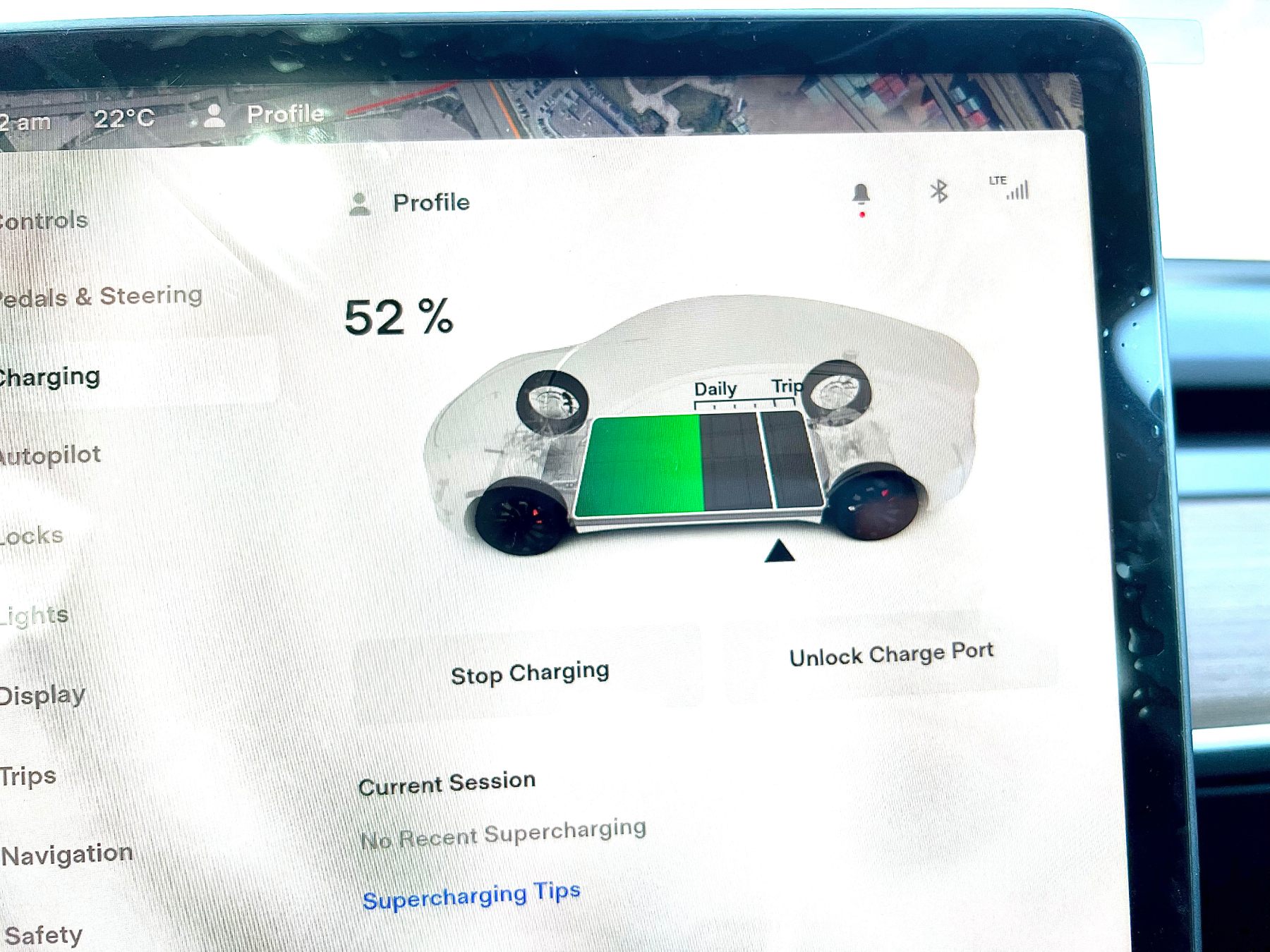
Yes, the Long Range Model Y with the 19-inch wheels is EPA-rated for 330 miles of range. While the same car with larger 20-inch wheels is only rated for 318 miles. The 21-inch wheels of the Performance trim further reduce the range down to 303 miles.
If your off-peak electricity rates are around 13 cents per kWh like many locations in the US, then you can expect a full battery charger to cost around $10.26. This is assuming 75 kWh usable battery capacity and a 95% charging efficiency. Note that you would very rarely actually need to charge from zero to 100%, a 20% to 80% charging cycle is more representative of typical usage.
The car is able to receive up to 11.5 kW of power on Level 2 AC when using a powerful enough charger. This should translate to roughly 44 miles of range gained per hour.
Yes, this is technically possible with the Tesla Mobile Connector or any other compatible charger. 110V charging is considered Level 1 charging, and only gains about 3 miles of range per hour. For most people a Level 2, 240V home charging system is recommended so the Model Y is ready to drive at the start of every day. 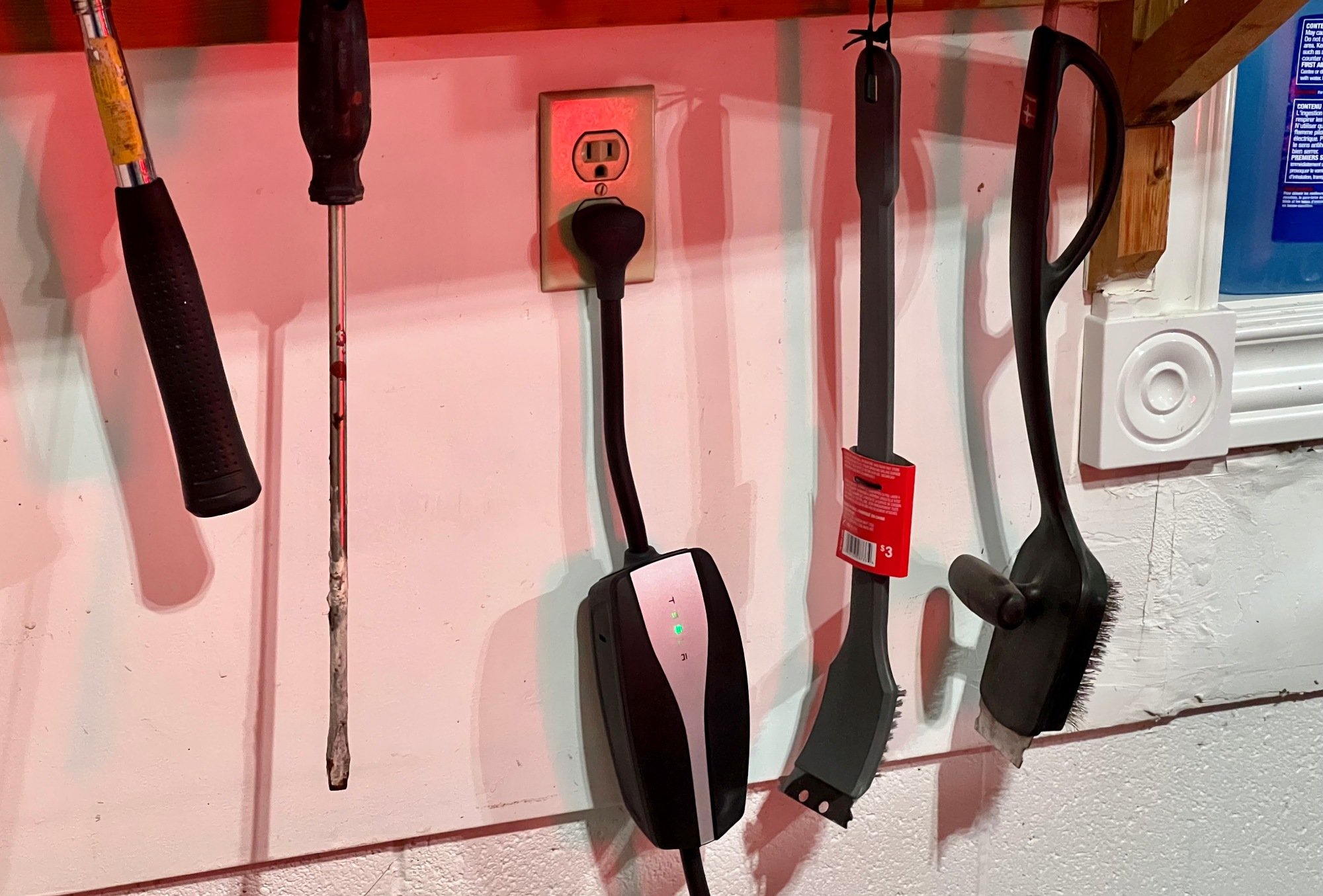
In our own 12-hour overnight charging test, the Model Y Long Range gained 14 kWh and 18% on Level 1. This adds about 60 miles of indicated range, but it’s more like 45 miles of highway driving.
Like on all Teslas, the Model Y has a charging port in the driver’s side rear corner of the car, integrated into the tail light assembly.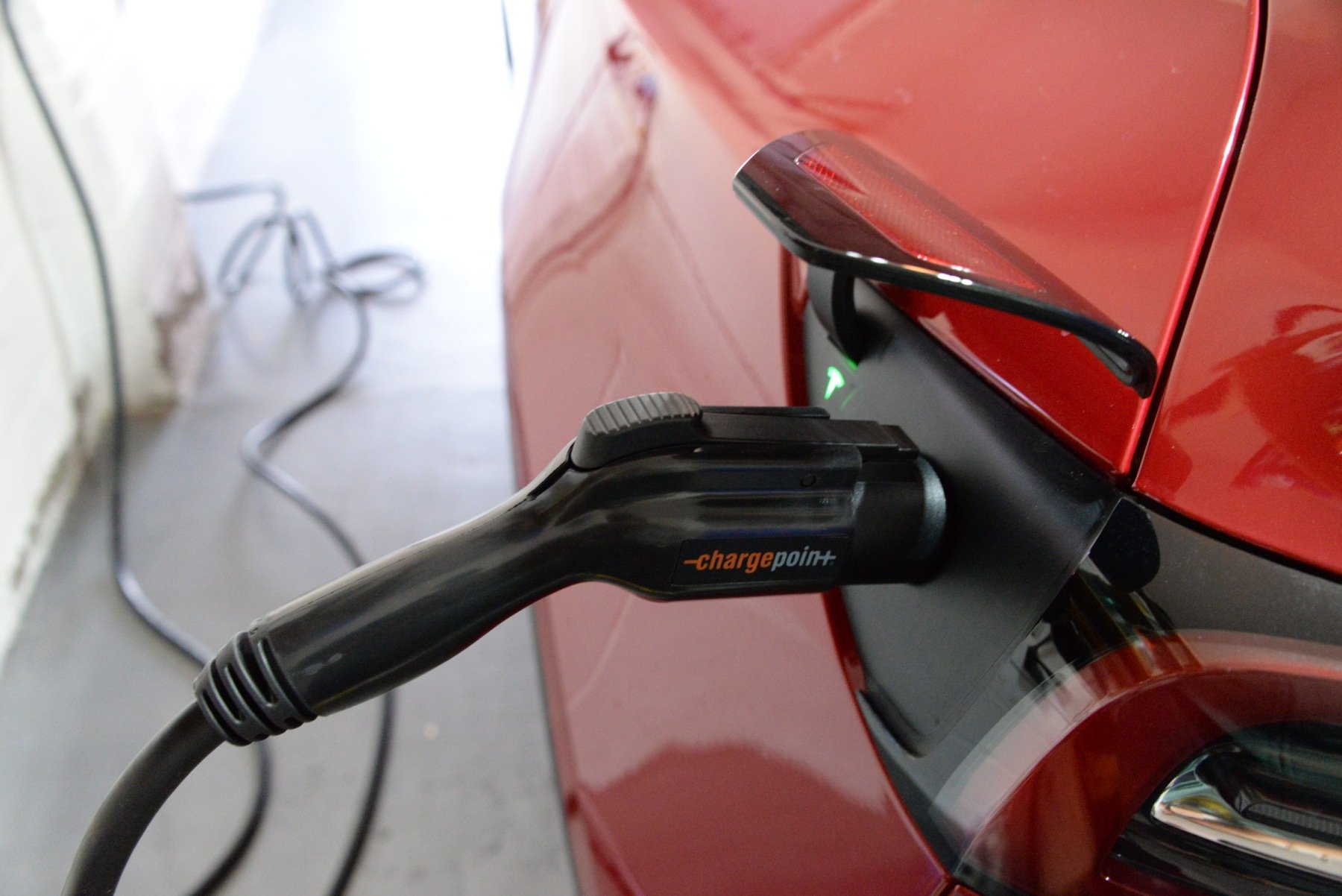
Yes, the Tesla Model Y will regularly boost to 250 kW at V3 (and V4) Supercharging stations if the car preconditions the battery prior to arrival, and if the battery state of charge is around 15% or lower. As you can see from our charging curve chart, the 250 kW speed is short-lived and typically throttles down to 200 kW past 20-25%. Still very fast charging for road trips.
The obvious benefit of having a home EV charger is convenience. However, the health of the high-voltage battery should also be considered. Level 3 DC fast charging stations like Superchargers pump a lot of energy into the battery quickly, and this produces a lot of heat. When a battery spends extended periods of time at high temperatures and/or at a high state of charge percentage, it can degrade quicker than a battery that is primarily charged slowly.
Pricing will vary by location and time of day. Expect to pay between 25 and 60 cents per kWh, and a typical charging stop on a road trip might add 25 to 50 kWh with a Long Range Model Y. So charging stops between $10-$30 are most common.
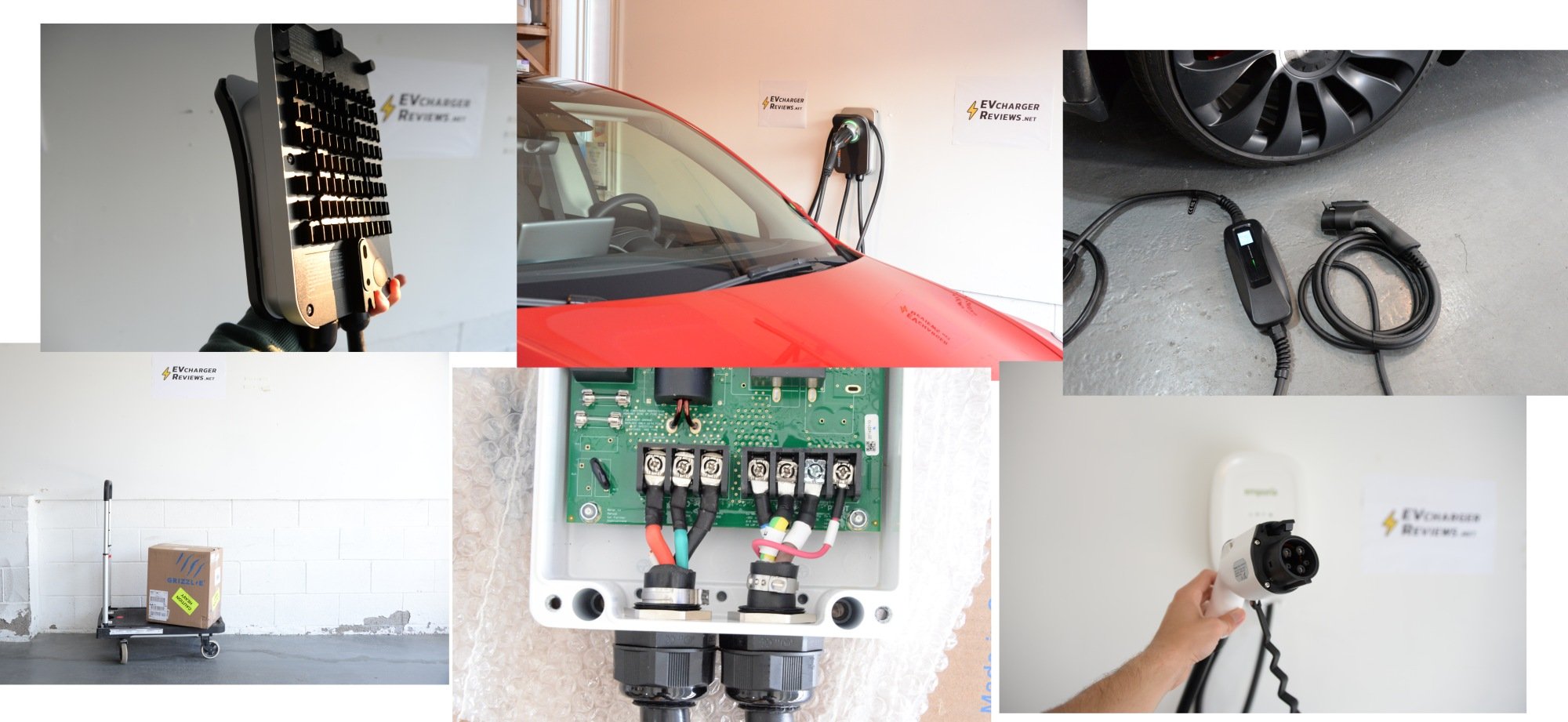
What makes EVchargerReviews.net experts on home EV charging? We get the product shipped into our garage lab and test each charging station for a minimum of two weeks before we can recommend a product.
Additional Tesla Articles and Resources
- Should You Charge Your Tesla To 80% Or 90%?
- Tesla – AC vs. Fans vs. Windows Energy Consumption Tested
- How To Find Odometer Mileage Of A Tesla Car
- How To Tell If Your Tesla Has Matrix Headlights
- Testing Power Output Of Tesla USB Type-C Ports
- All My Tesla Model Y Repairs in the First Year and a Half